
The Heart of Your Home: Choosing the Perfect Table
10/20/20258 min read
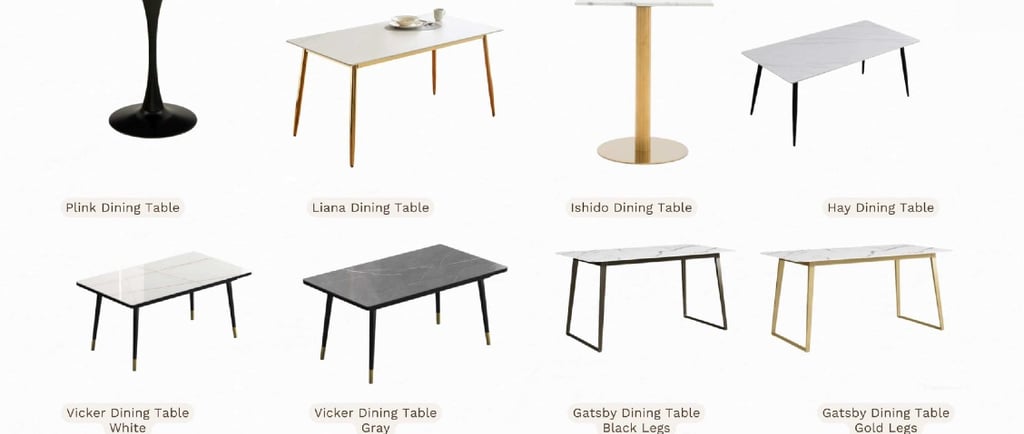
The Importance of a Table in Your Home
Tables are often regarded as mere furniture, yet they hold a profound significance in our daily lives and living spaces. They serve as the centerpiece for various activities, making them a focal point around which families and friends gather. From sharing meals to engaging in discussions, the table facilitates connections, creating an environment of warmth and togetherness. It is where families partake in daily rituals, such as enjoying breakfast or celebrating milestones during dinner. This function not only fosters relationships but also establishes a sense of belonging.
Beyond their emotional importance, tables also fulfill practical roles within a home. They provide a surface for activities ranging from homework and crafts to office work and hobbies. The versatility of tables accommodates diverse functions, which makes them essential for maximizing living space. For instance, a dining table doubles as a workspace, while a coffee table can be used for family games or evening study sessions. This adaptability reflects the dynamic nature of modern living and emphasizes the necessity of a well-selected table in enhancing the functionality of a home.
Moreover, tables contribute significantly to the aesthetic appeal of a living space. They can be chosen in a variety of styles, materials, and finishes, making it possible to align them with the overall design theme of your home. A well-chosen table can complement the décor and even serve as a conversation starter. When considering a table, potential buyers should reflect on their personal style and the intended use to ensure that it harmonizes with their living environment.
In summary, the table encompasses a blend of emotional ties, practical utility, and aesthetic appeal, reinforcing its position as a vital element in any home. The right table not only fulfills needs but also enriches the home’s atmosphere and strengthens relationships.
The Different Types of Tables: Finding Your Fit
When selecting the perfect table for your home or office, understanding the various types available can greatly influence your choice. Each type of table serves a unique purpose and is designed to meet specific needs. The most common categories include dining tables, meeting tables, and workspace tables, each with distinct characteristics.
Dining tables are central to family interactions and gatherings. These tables vary widely in size, shape, and style, accommodating anywhere from intimate dinners to larger family feasts. Round dining tables promote conversation and intimacy, making them ideal for smaller spaces. In contrast, rectangular tables are often favored for larger dining areas, allowing for additional seating. Material choices range from wooden tables that exude warmth to glass tables that amplify elegance, making it essential to select one that complements your overall decor.
Meeting tables, often found in corporate settings, are designed for collaboration and discussions. These tables come in various configurations, such as oval or square, and can be equipped with features like built-in power outlets for convenience. When choosing a meeting table, consider the size and layout of the room, as well as the number of participants intended to use it. A well-chosen meeting table facilitates effective communication while also enhancing the professionalism of your workspace.
Workspace tables, which can serve multiple functions, are key for home offices or creative spaces. Options range from compact desks for small areas to larger tables that accommodate multiple tasks. When assessing your needs, think about the type of work you will be doing. Will you need surface area for paperwork, or will a smaller table suffice for digital tasks? Understanding the distinctions among these table types will allow you to find the perfect fit for your needs, ensuring that your space is both functional and inviting.
Designing Your Workspace: The Ideal Meeting Table
In a modern office environment, selecting an effective meeting table is paramount for fostering productivity and teamwork. The size of the table plays a critical role; it must accommodate all participants comfortably while allowing space for collaboration and movement. A table that is either too small or too large can hinder communication and interaction, thus impacting the efficiency of meetings.
The shape of the meeting table is another important factor to consider. Rectangular, round, and oval tables each have distinct advantages. Rectangular tables are often ideal for larger gatherings, as they allow for more participants. On the other hand, round and oval tables promote equal participation and reduce hierarchical barriers, which can encourage open dialogue and creativity. Selecting the right shape can enhance the collaborative spirit of the team and allows everyone to engage fully.
Material affects not only the aesthetics but also the functionality of a meeting table. Wood, metal, and composite materials are common choices, each providing a different ambiance and durability. Wooden tables, for example, impart a warmth and sophistication, while metal tables can lend a modern, sleek look. It is also essential to consider the table's surface and texture to ensure it supports effective communication, whether through placing documents or utilizing digital devices during meetings.
Moreover, the layout of the meeting room can influence how participants perceive the space. U-shaped or podium layouts often facilitate presentations and discussions, while circular arrangements encourage inclusivity. Ensuring that the meeting table aligns with the overall office decor can also enhance the visual appeal of the workspace. By thoughtfully considering size, shape, material, and layout, businesses can select an ideal meeting table that promotes a productive and collaborative work environment.
Creating a Warm Dining Experience: Choosing the Right Dining Table
Choosing the right dining table is fundamental in creating a warm and inviting atmosphere for family meals. The dining table serves not only as a functional piece of furniture but also as the heart of meaningful interactions among family and friends. Several attributes must be considered to foster connection and comfort during these shared moments.
First, size plays a crucial role in the selection of a dining table. It is essential to assess the available space in your dining area and choose a table that complements its dimensions. A table that is too large can make the space feel cramped, while a small table may lead to an uncomfortable dining experience. Ideally, allow for enough space around the table for easy movement, typically a minimum of 36 inches between the table and surrounding walls or furniture.
The shape of the dining table also influences social interactions. Rectangular and oval tables are usually better suited for larger gatherings, accommodating more diners, whereas round and square tables can foster closer conversations, making them ideal for intimate settings. Additionally, consider the style of the table; it should harmonize with the overall decor of your home. Whether you prefer a traditional wooden table or a modern glass design, ensure that it reflects your personal taste while creating an inviting environment.
Material selection is another significant factor in enhancing the dining experience. Solid wood provides durability and warmth, while metal or glass may offer a contemporary flair. Finally, enhancing the dining experience extends beyond the table itself. Thoughtful decor, such as table runners, centerpieces, or ambient lighting, can elevate the atmosphere, ensuring that every meal shared at the table becomes a cherished memory.
Investing in a Versatile Centerpiece
When selecting a centerpiece for your table, it is beneficial to choose pieces that not only serve aesthetic purposes but also provide practical functionalities. A well-chosen centerpiece can elevate the entire dining experience, creating a harmonious blend of decor and utility that reflects your style and enhances your home’s ambiance.
For instance, a decorative bowl can serve as an eye-catching focal point while simultaneously functioning as a storage solution for fruits or snacks. This dual-purpose item not only adds vibrancy to your table but also encourages healthy eating habits by making fresh fruits easily accessible. Similarly, using an elegant wooden or ceramic tray can be an ideal way to organize coasters, candles, or condiments, contributing to an uncluttered and sophisticated look.
Another option worth considering is a floral arrangement that showcases seasonal blooms. Not only does this add a tactile and visual element to your dining table, but it also provides an opportunity to enjoy the scents of nature indoors. To enhance longevity and practicality, consider using a low-maintenance arrangement or even dried flowers, ensuring your centerpiece remains visually appealing without demanding constant attention.
Furthermore, incorporating functional elements, such as lanterns or candle holders, can infuse warmth and ambiance during evening meals. These items can beautifully balance form and function, creating an inviting atmosphere while providing essential lighting. When selecting your centerpiece, prioritize versatility; it should complement seasonal changes and special occasions seamlessly.
In conclusion, investing in a centerpiece that offers both aesthetic appeal and practical use is key to enhancing the functionality of your table. By thoughtfully selecting pieces that embody both beauty and utility, you create an inviting space that can adapt to various activities, celebrations, and everyday life. This approach ensures a well-rounded investment that serves your home effectively and stylishly.
Transforming Your Boardroom with the Right Table
The choice of a table in a boardroom setting significantly influences the dynamics and effectiveness of meetings. The right table can foster open dialogue, enhance collaboration, and create an inviting atmosphere for all participants. When selecting a boardroom table, several factors must be considered to ensure that it aligns with the room's physical layout and facilitates productive discussions.
Firstly, the size and shape of the table play a crucial role in shaping the meeting environment. Long rectangular tables promote a more formal atmosphere, often making it challenging for participants to engage with one another. Conversely, round tables encourage a more inclusive setting, where every team member can feel equally involved. Assessing the number of attendees and the overall room dimensions will help determine the appropriate size and shape of the table. A table that fits well within the space allows for comfortable movement and interaction among participants.
Additionally, the table's material and design can affect the perception of the space and the individuals gathered around it. A sophisticated wooden table may convey a sense of tradition and seriousness, while a modern glass or metal table can create a more contemporary and innovative feel. The choice of color and finish can also tie into the company's brand, reinforcing its identity during discussions.
Moreover, incorporating technology into the boardroom table design is essential in today's digital age. Tables equipped with built-in power sources and connectivity options can enhance the meeting experience, facilitating the seamless integration of presentations and discussions. By incorporating these elements, your boardroom can become a hub of collaboration where ideas flow freely and engagement peaks.
Ultimately, selecting the right table is about more than aesthetics; it is about creating a conducive environment for effective teamwork and communication. By thoughtfully considering the table's size, shape, material, and technological integration, you can transform your boardroom into a space that not only meets functional needs but also inspires creativity and collaboration among team members.
Life Happens Around the Table: Cherishing Moments
Within the warmth of our homes, the table stands as a silent witness to the ebb and flow of family life. It serves not just as a piece of furniture but as the epicenter of numerous cherished moments. From the joyous laughter during festive gatherings to the intimate conversations that unfold during shared meals, the table embodies the essence of connection and togetherness. It welcomes families to pause in their busy lives, encouraging them to come together, eat, and converse, fostering relationships that weather the storms of life.
In today's fast-paced world, it is essential to recognize the profound impact that the table holds within our family dynamics. Each meal, whether it be a quick breakfast or a holiday feast, transforms the ordinary into an opportunity for celebration and remembrance. These moments at the table become threads woven into the fabric of our lives, creating lasting memories that will be cherished for years to come. A simple act of sharing food can spark laughter, resolve conflicts, and deepen bonds. It is here that children learn values, stories are shared, and connections are strengthened.
Moreover, as we gather around our tables, they become vessels for traditions that shape our identity as families. Rituals like Sunday brunches, holiday dinner preparations, or even weekly game nights create a sense of belonging and continuity. As we gather for these events, we often find ourselves reflecting upon our growth and shared experiences. Investing in the perfect table that accommodates our needs and reflects our style is crucial, as it becomes a integral part of our lives where countless memories will be forged.
Ultimately, the table is more than just a surface for dining; it represents love, unity, and life itself. Recognizing the table's significance inspires us to savor each moment spent around it, nurturing our relationships and creating memories that last a lifetime.