
Dining Chair Preferences in Saudi Arabia: A Reflection of Regional Lifestyles
10/20/20257 min read
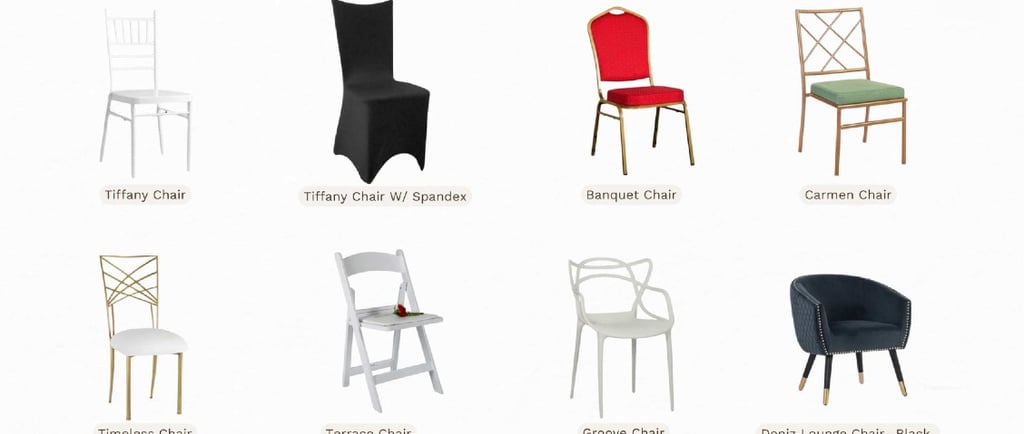
Introduction to Saudi Arabia's Dining Landscape
Saudi Arabia presents a rich tapestry of dining culture, deeply influenced by the country's history, traditions, and social norms. Dining in the Kingdom transcends the mere consumption of food; it serves as an essential social activity that fosters community and strengthens relationships. The significance of communal meals in Saudi Arabian culture is highlighted during family gatherings, festivals, and special occasions, where sharing meals becomes a symbol of hospitality and generosity. These gatherings often showcase a variety of local dishes that reflect the diverse flavors and ingredients found in the region.
In this context, dining chairs hold a unique significance. They are not solely functional items; rather, they embody the essence of cultural identity, preferences, and lifestyle choices. The types of chairs chosen for dining spaces can indicate regional influences, with variations that may reflect the contemporary and traditional aesthetics prevalent within different areas of the Kingdom. For instance, in urban environments such as Riyadh or Jeddah, modern styles that prioritize sleek designs and comfort are prominent. In contrast, rural areas may favor traditional seating options that align more closely with the historical customs of the local population.
The preference for specific dining chairs is also intertwined with social customs and ritual practices. Families often select chairs that facilitate interaction and comfort, fostering a warm atmosphere conducive to conversation. This behavior emphasizes the chair's role beyond aesthetics, affirming its importance in creating an inviting dining environment. As Saudi Arabia continues to evolve and adapt to changing lifestyles, an exploration of dining chair preferences reveals not just individual tastes but also encapsulates the broader narrative of regional lifestyles and cultural heritage.
Modern Riyadh: Embracing Sleek Minimalism
In recent years, Riyadh has emerged as a symbol of modernity within Saudi Arabia, greatly influencing the interior design choices of its inhabitants. One notable trend observed in the region is the preference for sleek, minimalist dining chairs, which not only embody contemporary aesthetics but also reflect the city’s proclivity for luxury and refinement. These dining chairs often showcase simple lines and elegant forms, aligning perfectly with the modern narrative of Riyadh.
The choice of materials for these chairs further distinguishes this trend. Metals, such as stainless steel and aluminum, frequently feature prominently, providing a sense of durability while also maintaining a lightweight appeal. Glass elements are often incorporated as well, enhancing the visual spaciousness of dining areas and contributing to the overall minimalist vibe. Moreover, leather—whether in its natural state or treated with modern finishes—has gained popularity due to its luxurious feel and easy maintenance, making it an ideal choice for those seeking comfort without compromising on style.
Minimalism in dining chair design reflects the broader lifestyle choices of Riyadh’s residents, who often prefer furnishings that create a sense of openness and tranquility within their modern homes. This stylistic approach not only meets the functional needs of dining but also complements the architectural elements prevalent across the city, such as glass facades and clean, geometric lines. As Riyadh continues to grow as a contemporary hub, the preference for minimalist dining chairs resonates with a desire for sophistication, mirroring the evolving identity of the city itself.
Jeddah: Artistic Expressions and Vivid Choices
The city of Jeddah, known for its ecological richness and cultural vibrancy, has a dining chair landscape that reflects its unique artistic heritage. Residents of Jeddah have a distinctive penchant for bold and statement-making furniture pieces, particularly when it comes to dining chairs. This preference aligns closely with the city’s overarching aesthetic, which is heavily influenced by its coastal location and thriving artistic community.
In Jeddah, dining chairs are not merely functional; they serve as crucial expressions of personal style and taste. The use of vibrant colors is a defining characteristic of many dining chair designs in the region. Rich hues such as azure, coral, and sunset orange frequently adorn both traditional and contemporary pieces, drawing inspiration from the Arabian Sea and its breathtaking sunsets. This vibrant palette aims to evoke a sense of warmth and hospitality, inviting family and friends to gather around the dining table.
Moreover, intricate patterns and motifs often embellish these dining chairs, echoing the artistic traditions found throughout Jeddah. Many pieces boast hand-painted designs or elaborate textiles that infuse the dining environment with a sense of culture and artistry. These patterns frequently reflect regional influences, celebrating both Islamic art and local artistry, thus catering to an audience that values heritage alongside modern living.
Unconventional designs also play a critical role in the dining chair selections in Jeddah. You will find a variety of shapes and structures, from minimalist Scandinavian styles to ornate Middle Eastern forms. This diversity allows residents to curate dining spaces that are not only functional but also visually striking. Consequently, the dining chair market in Jeddah encapsulates a blend of creativity and expressiveness, showcasing the city’s commitment to fostering a culturally rich environment.
Dammam: Comfort and Practicality for Families
Dammam, as one of the major cities in Saudi Arabia, distinguishes itself through its family-oriented culture, which significantly influences furniture choices, particularly dining chairs. For families in Dammam, comfort and practicality are not just preferences; they are essential requirements. Given the communal nature of gatherings and the importance of mealtime interactions, dining chairs must cater to both functionality and the aesthetic needs of home life.
In many Dammam households, the dining area serves as a central space for family gatherings, celebrations, and daily meals. As such, the preference leans towards plush, upholstered chairs that provide ample comfort. These chairs are often designed with soft cushioning, enabling family members to enjoy extended hours of conversation and connection over meals. Upholstery in durable fabrics ensures longevity, accommodating the wear and tear associated with daily use.
Moreover, the choice of colors plays a crucial role in these dining settings. Darker colors are commonly favored, as they not only contribute to the overall ambiance but also help in maintaining a clean appearance amidst the inevitable spills and stains that can occur during family dining. The practicality of selecting darker upholstery contributes significantly to the ease of cleaning, thus aligning with the busy lifestyles of families in Dammam.
In a city where large family gatherings are a norm, the dimensions and design of dining chairs are also influential. Chairs are often chosen for their ability to comfortably accommodate more than one person, allowing for an inviting setup during meals. With the combination of comfort, practicality, and a family-friendly design, dining chairs in Dammam ultimately reflect the lifestyle and values of its residents, making every mealtime a cherished experience.
Makkah: Functionality Meets Space-Saving
Makkah, a city renowned for its rich cultural heritage and significance in the Islamic world, exhibits unique dining chair preferences that align with its regional lifestyle. The design and functionality of dining chairs in Makkah are heavily influenced by the communal values and high volume of guests that are often entertained in households. The local population prioritizes furniture that fulfills not only aesthetic appeal but also practical utility, particularly when accommodating large gatherings.
The dining chair selection in Makkah often reflects a need for space-saving designs. In homes where space can be limited, the ability to store chairs efficiently is essential. Many families prefer stackable or foldable dining chairs that can be easily arranged or compacted when not in use. This functionality is particularly significant during religious observances and festive occasions when larger family units come together, making it vital to create versatile dining spaces capable of accommodating additional guests comfortably.
Moreover, functionality in Makkah's dining chairs extends beyond just physical space. The durability of materials is also a critical factor; chairs must withstand the daily wear and tear of frequent use. Many local manufacturers utilize robust materials that ensure the longevity of their products, thus offering both practicality and comfort. Ergonomic designs are becoming increasingly popular, as they provide additional support for individuals during longer gatherings, aligning with Makkah's hospitality-focused culture.
The preference for chairs that perform well in multiple roles, coupled with an emphasis on aesthetics that harmonize with traditional decor, encapsulates the essence of Makkah's dining chair choices. These selections not only promote practicality and efficiency but also serve as a testament to the city’s rich cultural values and communal spirit. In the vibrant city of Makkah, dining chairs represent a blend of functionality and space-saving solutions that cater to the unique lifestyle and traditions of its residents.
Influence of Cultural Heritage on Chair Designs
The rich cultural heritage of Saudi Arabia significantly informs the designs of dining chairs across various regions. Traditional craftsmanship serves as the backbone of many chair designs, showcasing the artistry passed down through generations. Each region boasts its unique styles, influenced by local materials, historical events, and the intricate narratives of its people. Wood, a primary material in furniture making, is often sourced locally, with artisans employing techniques that reflect centuries of skill and expertise. These appointments not only enhance functionality but also echo the ethos of the communities they originate from.
Motifs and patterns prevalent in Saudi Arabian chair designs can be traced back to Islamic art, tribal influences, and the natural beauty of the landscape. Geometric shapes, floral designs, and calligraphy are frequently integrated into the chairback or upholstery, infusing each piece with a sense of identity and belonging. For instance, the use of intricate carvings on wooden chairs may represent various tribal symbols, grounding the furniture within its local context. Regional variations also exist, with coastal areas displaying a different aesthetic compared to the inland deserts, as the surrounding environment often dictates style and form.
Moreover, contemporary dining environments increasingly embrace these traditional elements, blending them with modern sensibilities. By incorporating local motifs into sleek, minimalist designs, contemporary dining chairs reflect the dynamic nature of Saudi society, which values both tradition and innovation. This synthesis of old and new demonstrates a profound respect for cultural heritage while catering to current lifestyle preferences. Overall, the dining chair serves not merely as a piece of furniture but as a testament to the narratives and identities woven into the fabric of Saudi Arabian culture, enhancing the dining experience with historical significance.
Conclusion: The Future of Dining Chair Preferences in Saudi Arabia
As we reflect on the evolving trends in dining chair preferences in Saudi Arabia, it becomes evident that several factors are shaping the choices and innovations in the market. One notable influence is globalization, which has introduced a plethora of international design styles to the Kingdom. This exposure has encouraged a blend of traditional Saudi aesthetics with contemporary designs, resulting in a diverse selection of dining chairs that appeal to various tastes and lifestyles. Consumers are increasingly seeking furniture that not only fulfills functional needs but also aligns with their personal style, leading to a rise in demand for bespoke and customizable dining chairs.
In addition to global influences, design innovation is playing a crucial role in transforming dining furniture preferences. Manufacturers and designers are experimenting with sustainable materials and ergonomic designs, creating dining chairs that enhance comfort while being environmentally conscious. This forward-thinking approach not only caters to a growing awareness of sustainability among consumers but also complements the evolving cultural norms in Saudi Arabia, where modernity and tradition coexist. The emphasis on quality craftsmanship and innovative designs signifies a shift in consumer priorities, highlighting the importance of aesthetics as well as functionality in their selections.
Moreover, cultural preservation remains a critical aspect of dining chair preferences within the Kingdom. Many households continue to cherish traditional designs that reflect rich heritage and regional craftsmanship. The successful integration of these cultural elements into modern dining chair designs indicates that while consumers may embrace new influences, there exists a steadfast appreciation for the historical significance of furniture styles. This synthesis of tradition and innovation outlines a promising trajectory for the future of dining chairs in Saudi Arabia, promising a vibrant market that caters to both contemporary trends and cherished customs.