
Best Practices for Furniture Arrangement at Large Events in Saudi Arabia
Shoaib
2/9/20267 min read
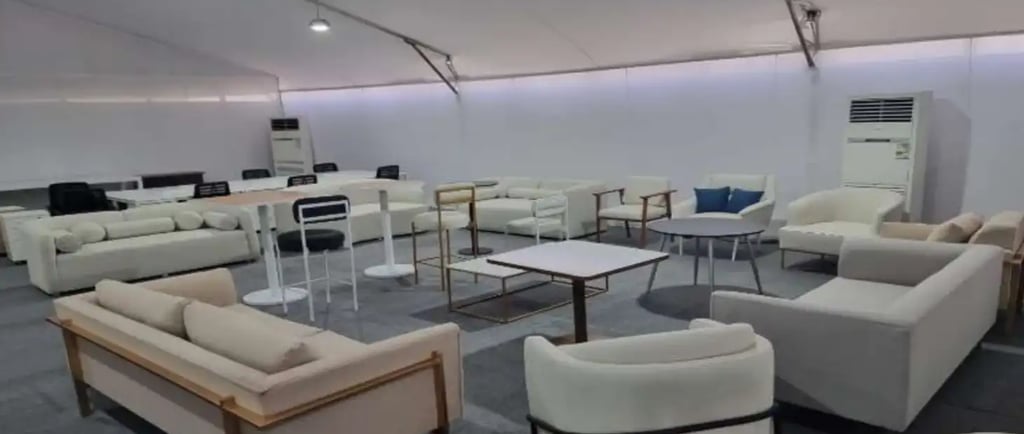
Understanding the Importance of Furniture Arrangement
Furniture arrangement plays a pivotal role in the success of large events, particularly in a culturally rich environment like Saudi Arabia. An effective layout not only enhances the flow of movement throughout the space but also creates an inviting atmosphere that encourages interaction among guests. When people feel comfortable and welcomed, they are more likely to engage in conversations, which can foster networking and collaboration.
One of the primary considerations in furniture arrangement is enhancing the accessibility of the venue. Ensuring clear pathways between seating areas and activity zones minimizes congestion and allows guests to navigate the space with ease. This is especially relevant in large gatherings where foot traffic can be significant. A well-structured arrangement that considers guest movement can prevent bottlenecks and create a more pleasant experience.
Additionally, furniture layout establishes the overall ambiance of the event. In Saudi culture, hospitality is of utmost importance; thus, arrangements that promote warmth and openness can contribute to a positive atmosphere. Grouping furniture into intimate clusters can encourage dialogue and facilitate better connectivity among attendees. Using local design elements in furniture choice can also bridge cultural appreciation while remaining functional and aesthetically pleasing.
Furthermore, understanding local customs and cultural nuances is essential for creating an appropriate setup that resonates with the audience. For instance, traditional seating arrangements, such as Majlis-style seating, can be integrated into the event's furniture layout to honor local traditions and make guests feel at home.
In conclusion, effective furniture arrangement at large events in Saudi Arabia enhances guest experience by improving flow, fostering interaction, and respecting cultural values. By considering these factors in the setup process, event planners can ensure a successful and memorable gathering.
Assessing Event Space and Layout
When planning furniture arrangement for large events in Saudi Arabia, a thorough assessment of the event space is essential for fostering an ideal environment conducive to guest engagement and overall event success. The first step involves meticulously measuring the area to understand the available dimensions and challenges. Typically, one should use measuring tape or a laser measuring tool to capture the length and width of the venue and track areas that may alter the layout, such as pillars or permanent fixtures.
After obtaining the necessary measurements, it is crucial to identify key entry and exit points within the space. This will not only facilitate smooth traffic flow during the event but also ensure that guests can navigate the venue efficiently. Understanding these access points allows planners to position furniture strategically, ensuring that pathways remain clear, which not only enhances safety but also promotes guest satisfaction.
Additionally, one must consider how different furniture layouts can influence the event’s purpose and guest experience. For instance, a theater-style arrangement may be suitable for presentations or performances, while a banquet style is more appropriate for dining events. Furthermore, a flexible layout with movable furniture can accommodate various activities throughout the event timeline, enhancing its versatility. Ultimately, assessing the event space, coupled with insights into furniture layout options, is pivotal to crafting an engaging atmosphere that aligns with the expectations and needs of all attendees.
Choosing the Right Furniture for Your Event
Selecting the right furniture is a crucial element in planning successful large events in Saudi Arabia. The choice of furniture can significantly influence an event's ambiance, comfort, and functionality. Therefore, it is essential to consider various factors such as style, comfort, durability, and how well the furniture aligns with the event's theme.
When organizing an event, first assess the nature and format of the occasion. For example, a formal gala will call for elegant seating options, such as upholstered chairs and round tables that promote interaction among guests. In contrast, a corporate conference may benefit from modular furniture that can be rearranged easily to accommodate workshops or breakout sessions. Prioritizing comfort is vital, especially for events lasting several hours, as discomfort can detract from guests' overall experience.
The durability of furniture is another consideration that event planners must not overlook. In Saudi Arabia, where events often occur outdoors, selecting weather-resistant materials ensures longevity and reduces the need for constant replacements. Renting high-quality, durable furniture can be an economical choice that allows planners to focus on other logistics without compromising quality.
Relevance to the event's theme enhances the overall aesthetic and can leave a lasting impression on attendees. For example, traditional Saudi events may benefit from incorporating local craftsmanship and design, such as intricate woodwork or colorful textiles, which can evoke cultural pride. On the other hand, modern events might require sleek, minimalist furniture that complements contemporary décor.
Ultimately, the right furniture selection involves a balance of practicality and design, ensuring that all elements harmonize to create an inviting and memorable atmosphere for guests.
Strategic Placement for Functionality and Flow
In organizing large events in Saudi Arabia, the strategic placement of furniture is essential to ensure functionality and promote the smooth flow of guests. When arranging furniture, consider creating defined zones that cater to specific activities, such as seating areas, food service stations, and interactive spaces. This concept not only enhances the aesthetic appeal of the venue but also facilitates better guest engagement and navigation throughout the event.
To begin, establish clear zones based on the event's purpose. For instance, a seating area should be distinct from food and beverage zones, which may become congested during peak times. Utilize furniture to create pathways that guide attendees naturally from one area to another, minimizing confusion and fostering a seamless guest experience. Additionally, providing ample space between tables and chairs ensures that guests can move freely without feeling cramped or obstructed by clutter.
Accessibility is another pivotal consideration in furniture arrangement. Ensure that all zones are easily reachable, especially for attendees with mobility challenges. Employing a variety of seating options, such as high-top tables, lounge furniture, and standard dining setups, can accommodate different preferences while maximizing the space available. Strategically placed furniture can also encourage social interaction, enhancing networking opportunities among guests.
Moreover, it is advisable to limit the overall number of furniture pieces to avoid overcrowding. A clean and organized layout not only looks inviting but also considerably enhances the functionality of the space. Look for multi-functional furniture options, such as stackable chairs or collapsible tables, which can be easily stored away when not in use, maintaining an unobstructed flow.
By following these guidelines for strategic placement, organizers can create an inviting atmosphere that promotes engagement and connectivity while ensuring guests feel comfortable and well accommodated during the event.
Incorporating Cultural Elements and Themes
In the context of Saudi Arabia, it is paramount to enrich furniture arrangements at large events by integrating cultural elements and themes that resonate with local audiences. The incorporation of regional design aesthetics not only creates a welcoming atmosphere but also fosters a deeper connection with attendees. Understanding the socio-cultural background of Saudi Arabia allows event planners to select furniture that reflects local craftsmanship and style.
One of the key practices is to choose furniture and decor that embody traditional Saudi motifs and patterns. For instance, using intricate geometric designs, which are prevalent in Islamic art, can provide an authentic feel to the event space. Furthermore, materials such as wood and textiles that are customary in the region can be used to enhance the visual appeal and comfort of the arrangements. By carefully selecting pieces that represent the local culture, hosts can ensure a meaningful engagement with their guests.
Additionally, the layout and arrangement of furniture should also adhere to cultural norms and preferences. For large gatherings, implementing a more open layout can encourage social interaction, reflecting the Saudi spirit of hospitality. Moreover, incorporating specific seating arrangements, such as Majlis-style seating, can create an inviting space for conversation and connection. This approach respects local traditions and facilitates a more intimate atmosphere, crucial for any successful event.
Finally, utilizing symbolic elements, such as colors that hold cultural significance, can further enrich the guest experience. For instance, warm colors like gold and earthy tones can evoke feelings of comfort and luxury, enhancing the overall ambiance of the event. By thoughtfully integrating these cultural elements into furniture arrangements, event organizers can create a distinctive atmosphere that honors Saudi heritage while ensuring a memorable experience for all attendees.
Utilizing Technology for Enhancements
In the realm of large events in Saudi Arabia, the integration of technology in furniture arrangement plays a pivotal role in creating an engaging and memorable experience for guests. Event organizers can leverage advanced audiovisual (AV) equipment to enhance presentations and announcements, ensuring that all attendees can clearly see and hear important information. For instance, strategically placing large screens throughout the venue can allow for visual displays that complement the overall design of the event, while also ensuring that participants are well-informed and entertained.
Lighting is another critical aspect where technology can significantly impact furniture arrangement. The use of intelligent lighting systems can be utilized to focus attention on key areas, such as the stage or exhibition displays, while also transforming the atmosphere to align with the event's theme. Adjustable lighting fixtures can enhance the visual appeal of the arranged furniture, creating a more inviting and aesthetically pleasing environment. For example, using soft, ambient lighting in lounge areas can encourage relaxation and conversation, while dynamic lighting effects in performance spaces can energize the audience.
Moreover, incorporating smart furniture—such as tables with built-in charging ports and interactive displays—can cater to the needs of tech-savvy guests, allowing them to stay connected throughout the event. Event planners should also consider utilizing mobile applications that provide attendees with real-time updates or interactive floor maps, promoting a seamless experience. These technology-driven solutions not only address logistical constraints but also elevate the overall guest experience, making the event more enjoyable and efficient.
By effectively utilizing technology in furniture arrangement, organizers can ensure that every aspect of the event, from seating to lighting, is intentionally designed to enhance engagement and satisfaction among guests.
Final Touches and Last-Minute Adjustments
Final preparations are crucial for the successful arrangement of furniture at large events in Saudi Arabia. Ensuring everything is in order can significantly enhance the overall experience for attendees. Begin by conducting a thorough inspection of all furniture items to check their stability. This includes testing event chairs, tables, and any other structures being utilized. Making sure that each piece is adequately sturdy can prevent accidents and ensure guest comfort throughout the duration of the event.
Next, prioritize cleanliness. Before guests arrive, all furniture should be cleaned and polished. This not only enhances the visual appeal but also contributes to a hygienic environment. Pay attention to fabric care for upholstered items, ensuring they are free of stains and allergens. Additionally, checking for dust or debris on tables can help maintain a polished atmosphere.
Arranging decorative elements is another vital aspect of finalizing your furniture layout. Consider the event's theme and mood when placing decorative items. Flowers, centerpieces, and artwork should be positioned to create a harmonious visual ensemble that complements the chosen furniture layout. Be mindful of any pathways that must remain clear to ensure safe navigation for guests.
Finally, organize staff for effective management of the space during the event. Assign specific roles to team members, such as monitoring entrances, assisting guests, and ensuring that food and drink stations remain tidy and fully stocked. It is also essential to communicate the layout plan clearly to all staff to minimize confusion.
In summary, last-minute adjustments and final touches are critical for achieving a successful event. By checking furniture stability, maintaining cleanliness, arranging decorative elements thoughtfully, and coordinating staff effectively, organizers can set the stage for a seamless and memorable experience for all attendees.